
From Suspicion to Proof
The Birthday PartyThis thread traces the moral and investigative difference between suspicion, circumstantial clues, forensic evidence, and a confession.
increasing Bearing strength in each event
 decreasing
Bearing strength in each eventdecreasingEvery Guest Is Questioned

No One Is Automatically Clear
A Crowd of Possibilities
Hundreds of guests and workers may have crossed the party grounds. Chase interviews those he can while their memories remain fresh.
Evidence Over Status
The investigation cannot assume that family members, teachers, entertainers, or neighbors are harmless because they seem respectable. Nor can it treat someone’s appearance as proof of guilt.
Mitch’s False Alibi
A Lie Becomes Evidence
A Contractor’s Statement
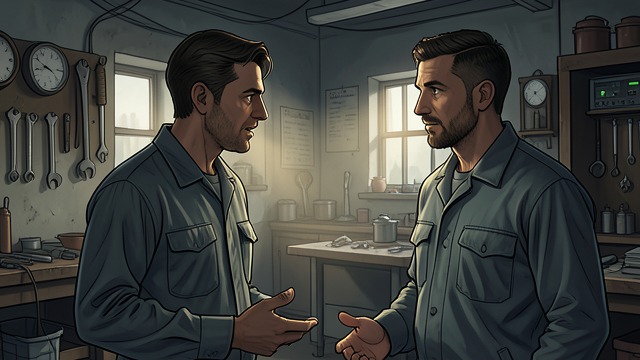
Mitch’s foreman admits that Mitch asked him to confirm a workday that never happened. The lie makes it reasonable for Chase to question Mitch further.
Limits of Inference
The false alibi is serious but does not itself prove murder. Investigators must distinguish concealment about one matter from guilt for another.
The Basement Material
A Physical Trace
Fabric in Concrete
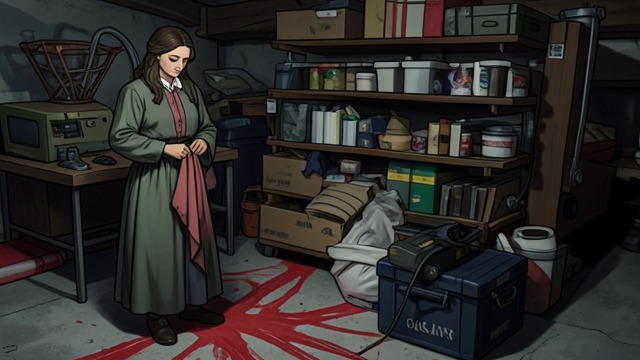
Chase discovers red material embedded in a newly repaired basement floor. Kathy identifies it as part of Charlie’s dress.
Evidence Changes the Stakes
The fragment ties Charlie to the property far more concretely than the brothers’ inconsistent accounts. It still does not identify who placed her there, so the search for additional proof continues.
The Mask’s DNA

Forensics Support the Theory
Charlie’s Cells Found
Testing shows Charlie’s skin cells on Evan’s clown mask. The result supports the account that she encountered the wearer at close range and resisted.
A Link, Not a Complete Trial
The mask is powerful evidence but must be considered with its location, the body, and Harris’s statements. The investigation builds a case from converging facts rather than one dramatic object.
Confession and Corroboration

The Story Confirmed
Harris Admits the Lure
Harris describes using a unicorn story to take Charlie into the woods and says he strangled her. His words reveal his method and knowledge of her identity.
Proof Still Matters
Chase continues pursuing records and forensic evidence because a confession may be challenged in court. Justice depends on corroboration, not only on the emotional force of an admission.
June 12–13
June 14
During the house search
During the final interview
Near the end
